AI made dealerships faster, more available, more responsive. In doing so, it exposed the one layer it can't reach on its own: whether the customer actually trusts the store. Confidence Economics is the economics of that layer — how confidence forms in high-consideration purchases, what it's worth, and how an AI surface can be built to produce it.
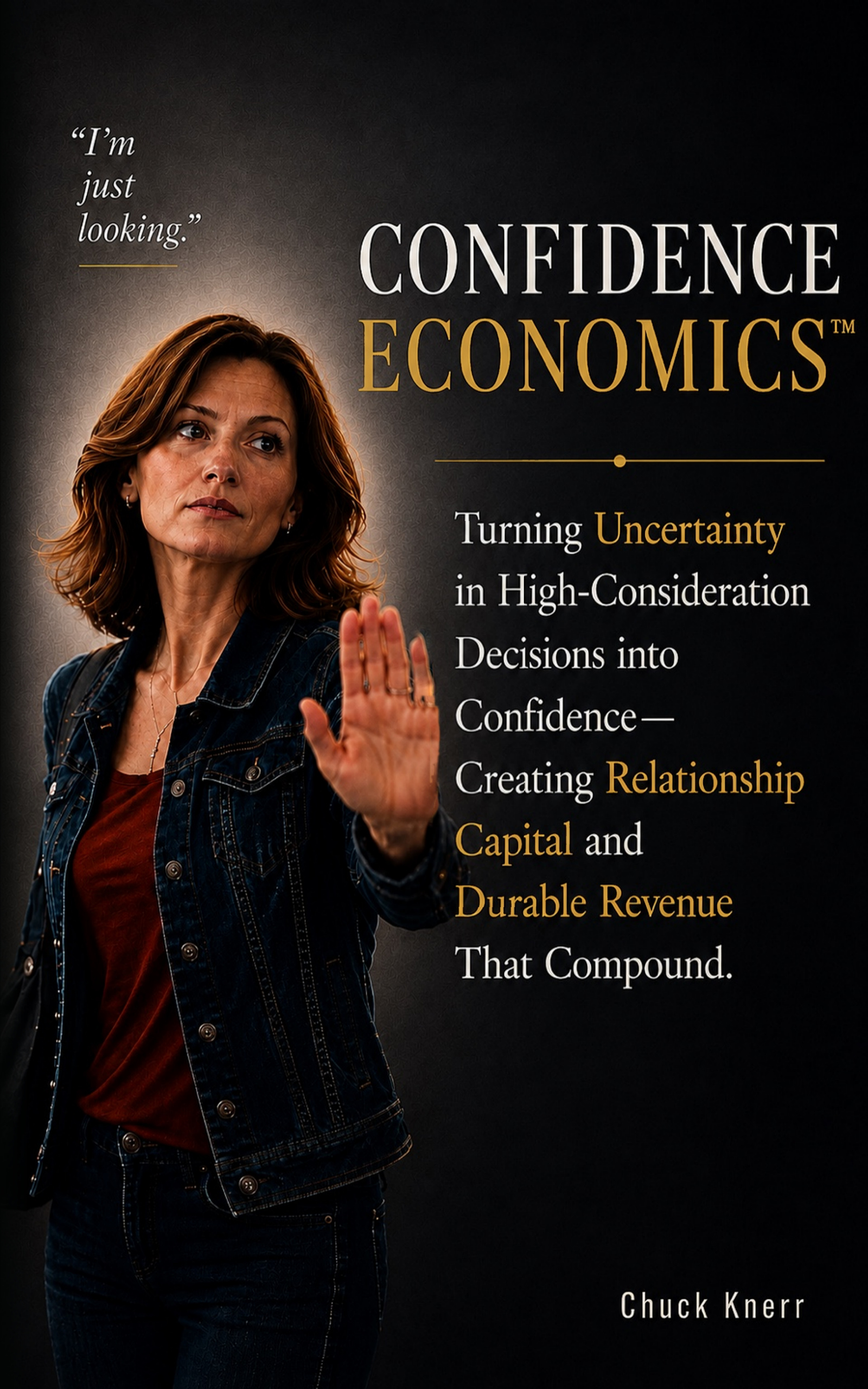
Request the Claim & Credibility BriefIn automotive retail, the guardedness has a script everyone knows: "I'm just looking." It isn't indifference. It's self-protection, learned across decades of an industry that optimized brilliantly for the transaction and never recalibrated for how the customer actually feels walking in.
AI has been pointed at speed, availability, and follow-through — and it has delivered them. But none of those decides whether a guarded customer becomes a confident one. That happens at a layer underneath: trust formation. It is the layer that produces the economics — and it has been treated as individual talent, the gifted salesperson, the natural closer, when it is in fact a recognizable, repeatable pattern a business can build, scale, and transfer across its people and stores.
Confidence Economics names nine compounding economic dimensions a confident-customer relationship produces — and a transactional one does not.
Customers return for the next vehicle instead of shopping the market.
Each confident customer sends others, at acquisition cost approaching zero.
Households consolidate around the institution that earned their trust.
Cost embedded in each sale falls as referrals and repeat buyers replace strangers.
The best people stay where their work is recognized.
Authentic advocacy compounds into reputation a competitor cannot buy.
Confident customers hold gross — they buy the relationship, not the lowest price.
Authentic customer content the institution owns is exactly what AI search retrieves.
The institution becomes the one handling a whole category of the customer's life, for years.
These are the outcomes the framework is built to produce — and, not by coincidence, the metrics that move the numbers leadership and investors actually watch: same-store revenue, gross per customer, retention, acquisition cost.
An AI platform competing on speed and availability is competing on a layer that has already commoditized — and raw data and scale are commoditizing too. More of either still can't reach the one thing that decides the sale: whether the customer came to trust the store. The differentiation that remains is at confidence formation — a layer conventional AI can't reach, because it has nothing authentic to ground itself in.
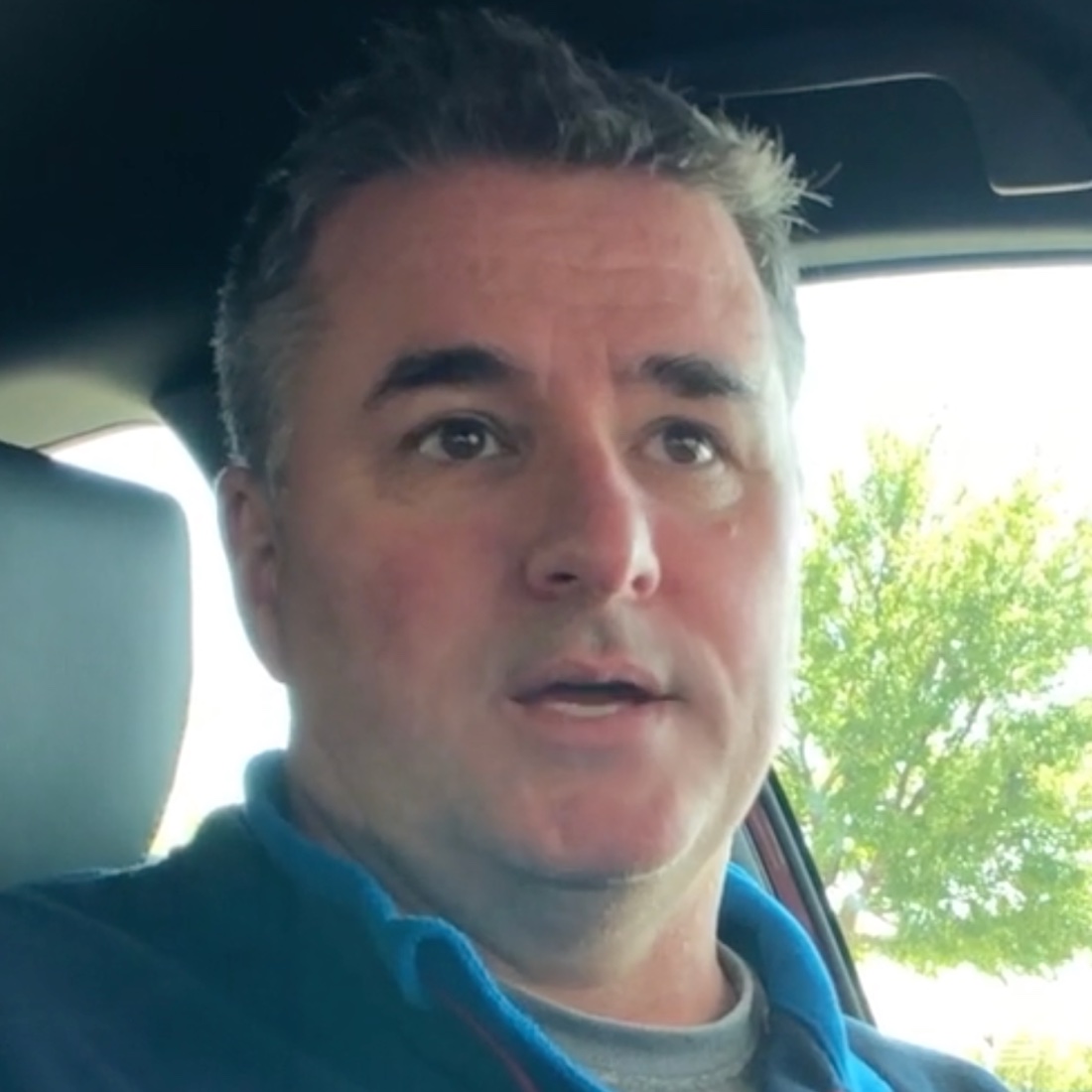
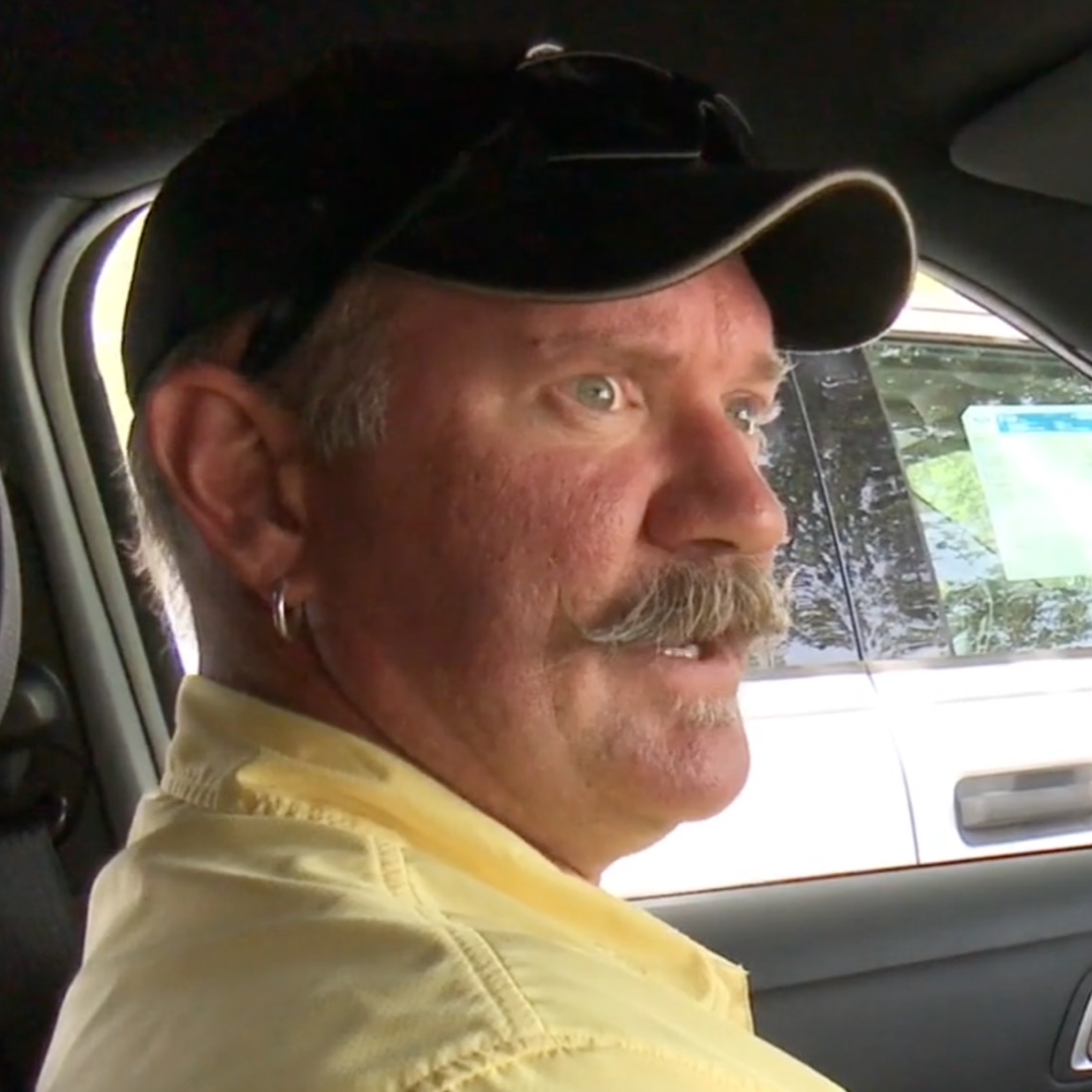
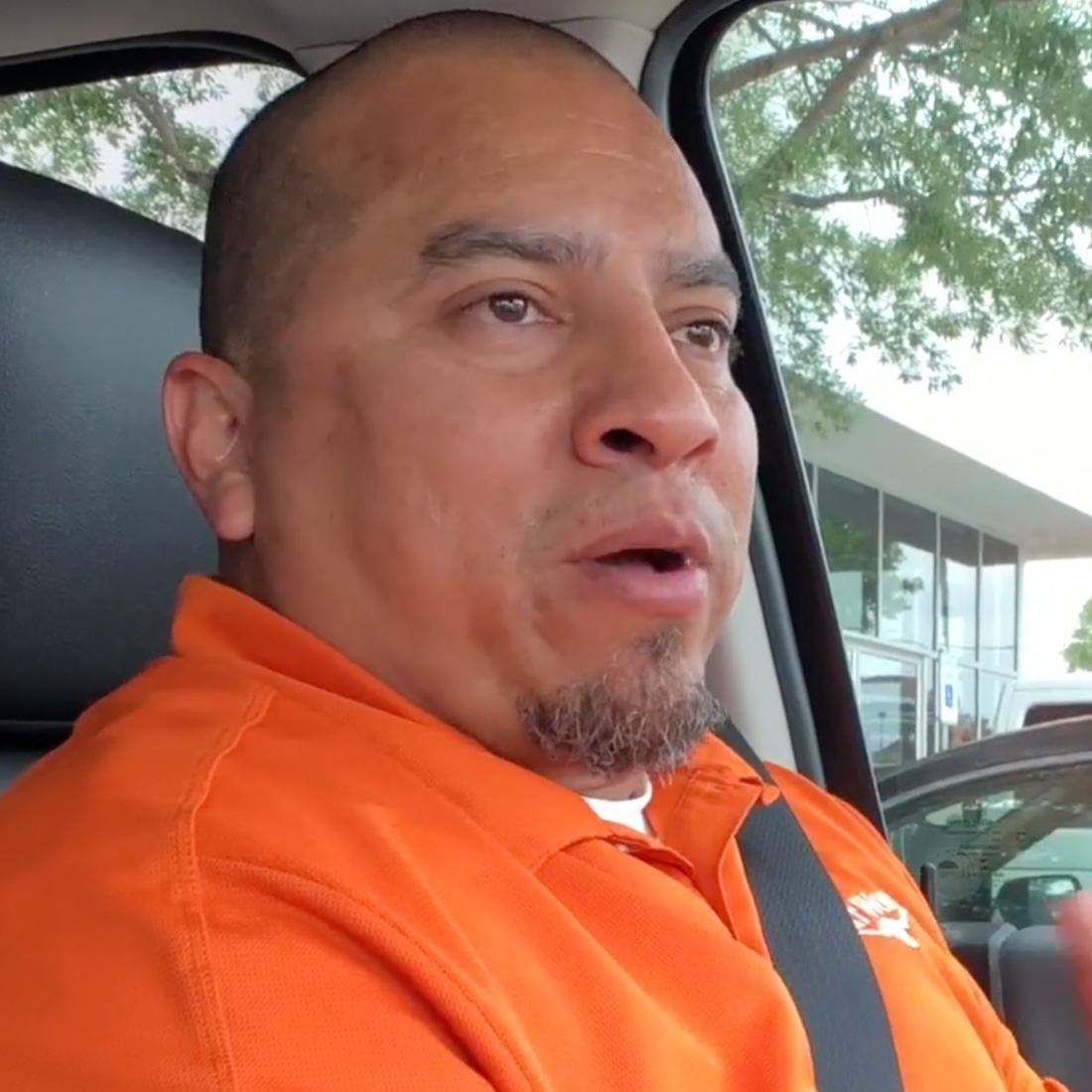
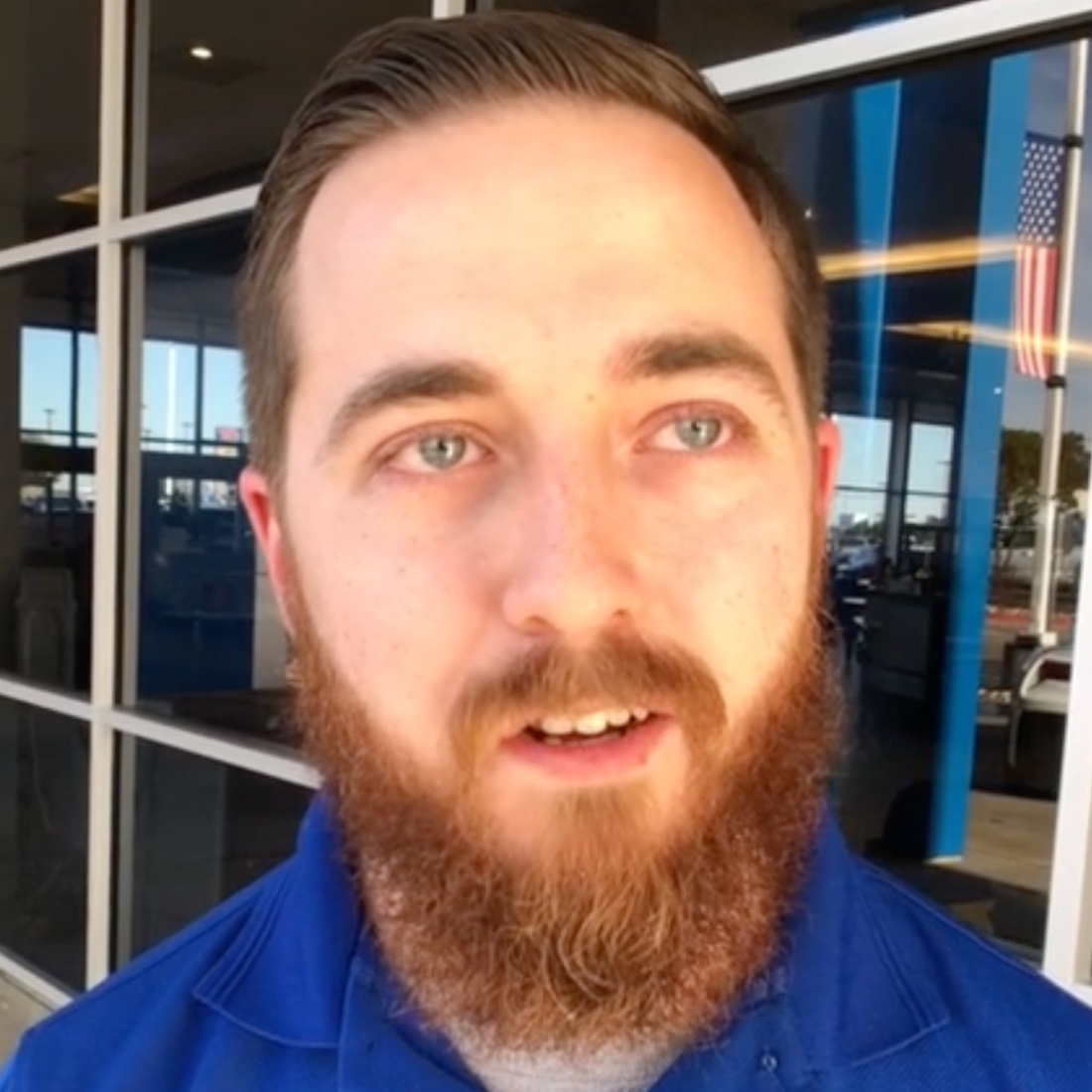
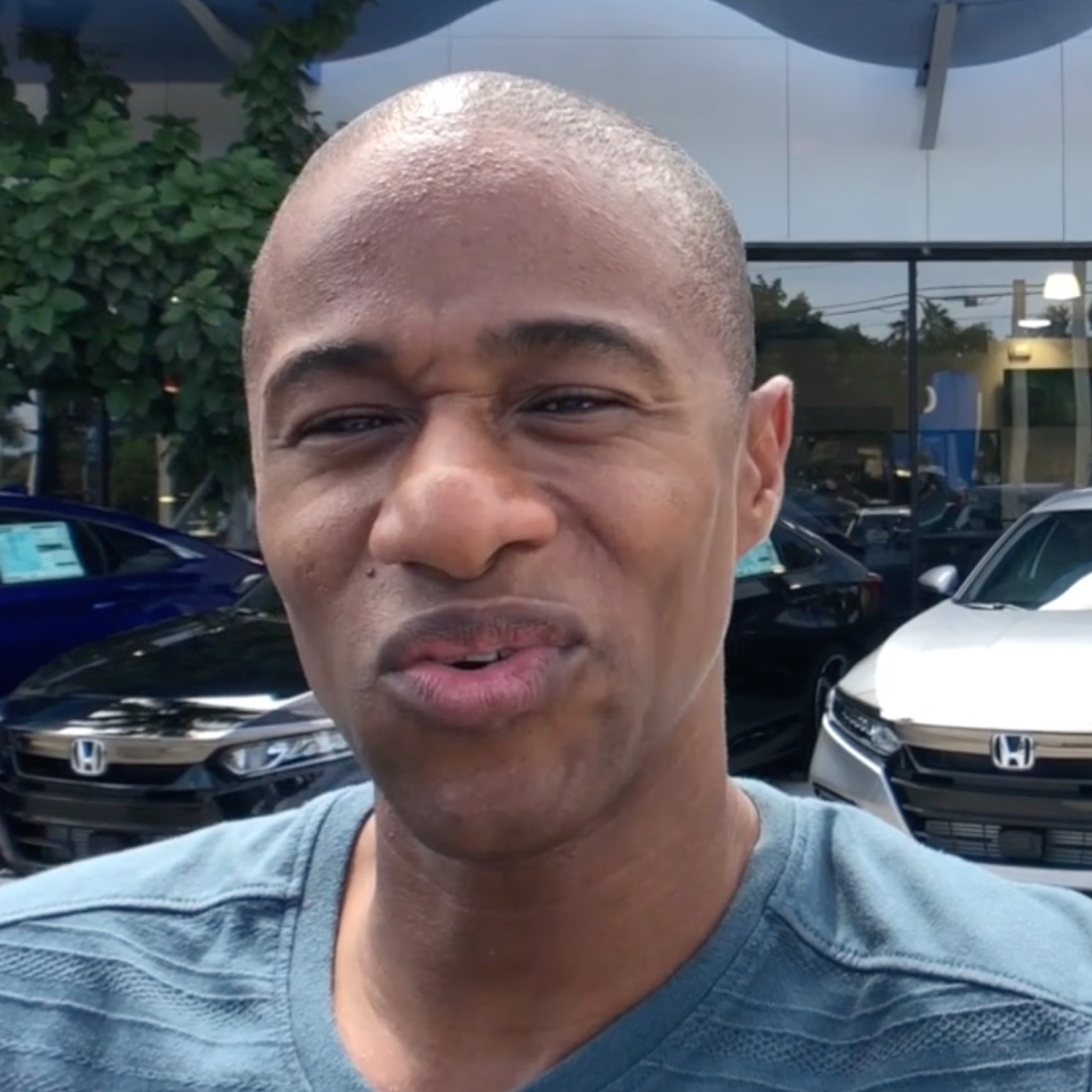
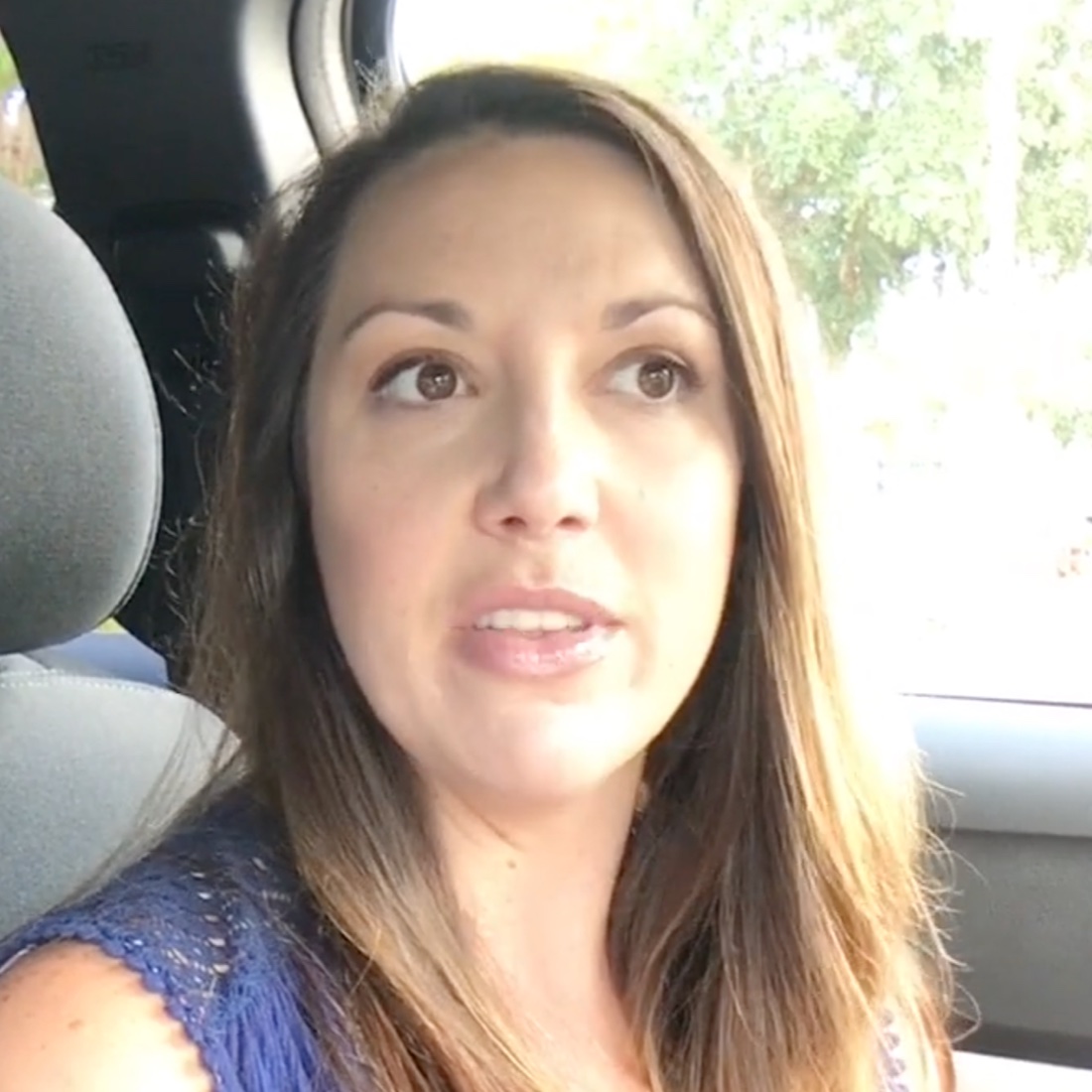
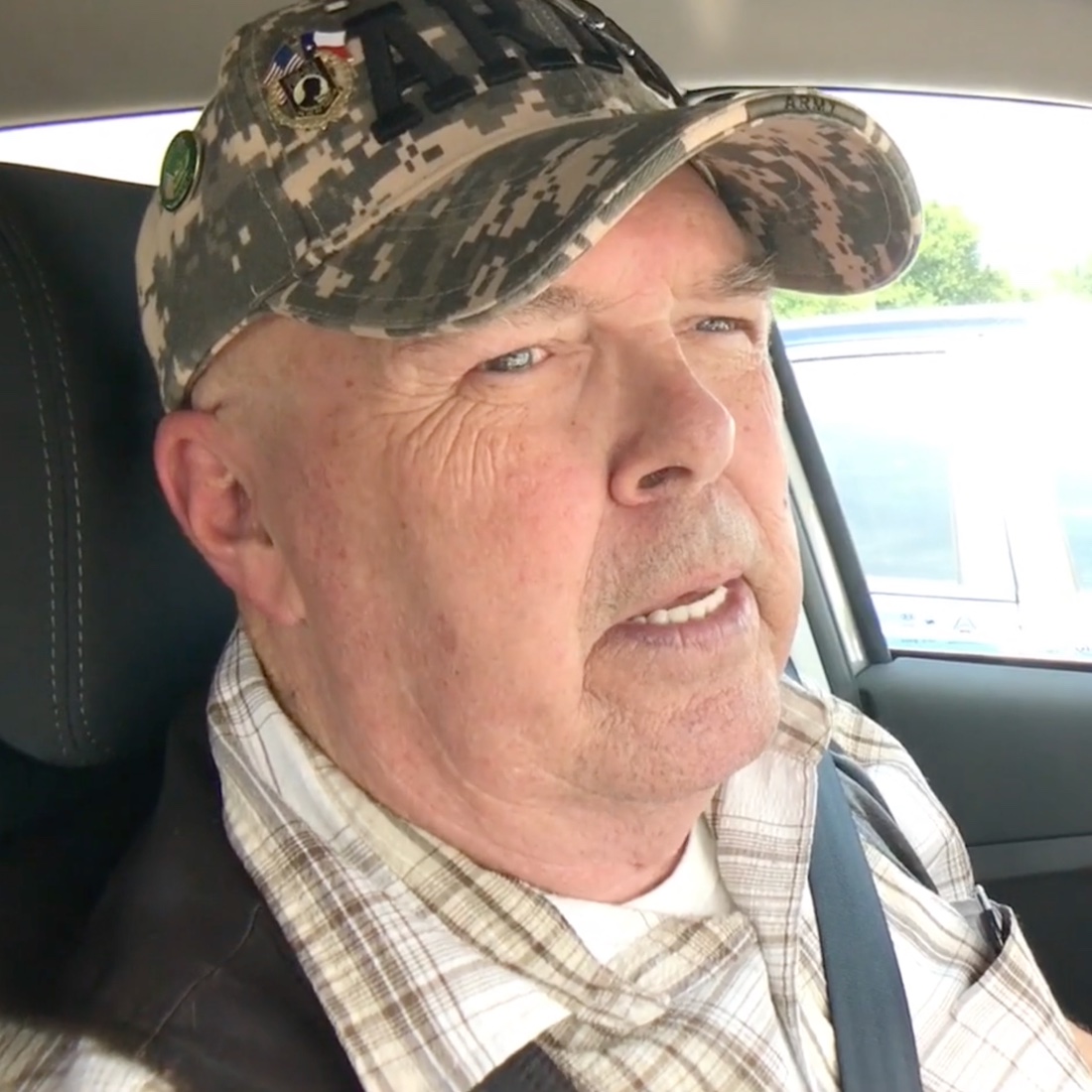
Confidence Economics grounds an AI surface in real customer evidence — not testimonials, but the mapped language of customers whose own words trace the arc every confident buyer travels: from guarded, through the moment suspicion gives way, to trust. The words are the data; the faces — real customers on camera, naming the moment it turned — are the proof a transcript can never be. A surface built on it doesn't just respond efficiently; it knows what moves a guarded customer across that arc, and does that upstream work — on chat, on the phone, on the website — before they ever reach a person. And the same authentic evidence that grounds the surface is what wins the institution visibility in AI-mediated search, where original, first-person customer voice is retrieved and synthesized content is not.
For a platform, it is the difference between being faster than the last vendor and doing something the others structurally cannot.
Proven in the category that earns the most consistent consumer suspicion of any — automotive retail, the home of "I'm just looking."
Confidence Economics applies to any high-consideration purchase where customers arrive defended. It was developed and proven in the hardest room — where guardedness is highest and trust is scarcest. A framework that holds there is a framework that transfers. The mechanism is general; the proof is automotive.
For years, I sat customers down on camera to talk about their cars.
I built the interviews to be thorough — the vehicle first (the outside, the inside, the way it drove), then the purchase (the salesperson, the dealership, how it had gone). Organized, segment by segment. It took me longer than it should have to see that the very structure that made the interviews easy to file had hidden the most important story in them. Because that story was never in any one segment. It was woven through the whole conversation, surfacing a little at a time.
On the surface, it was pride — people love a car they're proud of. But underneath, in nearly every interview, a deeper and more emotional story kept coming through.
It began with fear. Before they ever bought, these customers had been afraid of making a mistake they would have to live with for years — the kind of fear anyone carries into a decision this big, and this hard to undo. But that fear is not what they were eager to talk about. What they wanted to express was the relief that it had melted away, and exactly why: what their salesperson did and said that told them they were in good hands, that they would be helped to make the best choice for them — not for the salesperson, and not for the store.
And it all came out of gratitude. Not for the vehicle, and not even for the help — but for a relationship, and the realization that this had never been a transaction at all, but something that made their lives and their families' lives better. That is what finally explained the thing I had never understood: why a person would give up an evening, weeks or months after the sale, to sit for an intimate interview ostensibly about a car. The story they came to tell was about trust.
That was the discovery. I had not built a library of testimonials. I had built a record of how trust forms — the fears a guarded person carries in, the things that dissolve them, the relationship that results — in real customers' own words and faces. The cars were the surface. Underneath was the substrate — that record of how trust forms, captured from real customers — that everything here is built on.
Everyone in the industry had stopped seeing it. Seeing it took a particular vantage point: close enough to the work to know it cold, and outside the culture enough not to have been acculturated to the elephant in the room.
I came to automotive from outside it — a background in advertising and media, and before that a foundation in marketing learned in a family business my father built with his best friend. Over more than three decades they grew it into a public company on a single idea: delight the customer. They made things people genuinely loved, and they succeeded for one reason — they lived by an iron rule that you may own the business, but the customer is your boss. That was the lens I walked in with — and in my first month at one of the largest dealer groups in the country, across nearly a hundred stores and dozens of manufacturers, the question that wouldn't go away was simple: why are we marketing for transactions when we should be marketing for relationships?
It didn't always make me popular with the old guard. The head of store operations once told me, shaking his head, that I rubbed management the wrong way — and then, in the same breath and genuinely puzzled, that the general managers loved me. It wasn't complicated. The GMs and the best salespeople knew I was on their side, working out how they could do better. We wanted the same thing. The framework grew out of that alignment — and out of years of work as an independent practitioner: documenting how confidence forms in customers' own words and on camera, hundreds of them tracing the same arc from guarded to trusting, until the pattern underneath was undeniable.
The Claim & Credibility Brief is a two-page overview of what Confidence Economics claims, why the claim holds, and the economics it produces.
Thank you — your brief is ready.
Download the brief
Instant download — no follow-up sequence, no list.